 Egg Diary
What and How Much to Feed Chickens in Winter
Once the grass and insects disappear, chickens in winter only have what we give them. Good feeding decides whether your hens come through winter in good condition and how quickly they get back to laying in spring.
The base: a complete layer feed
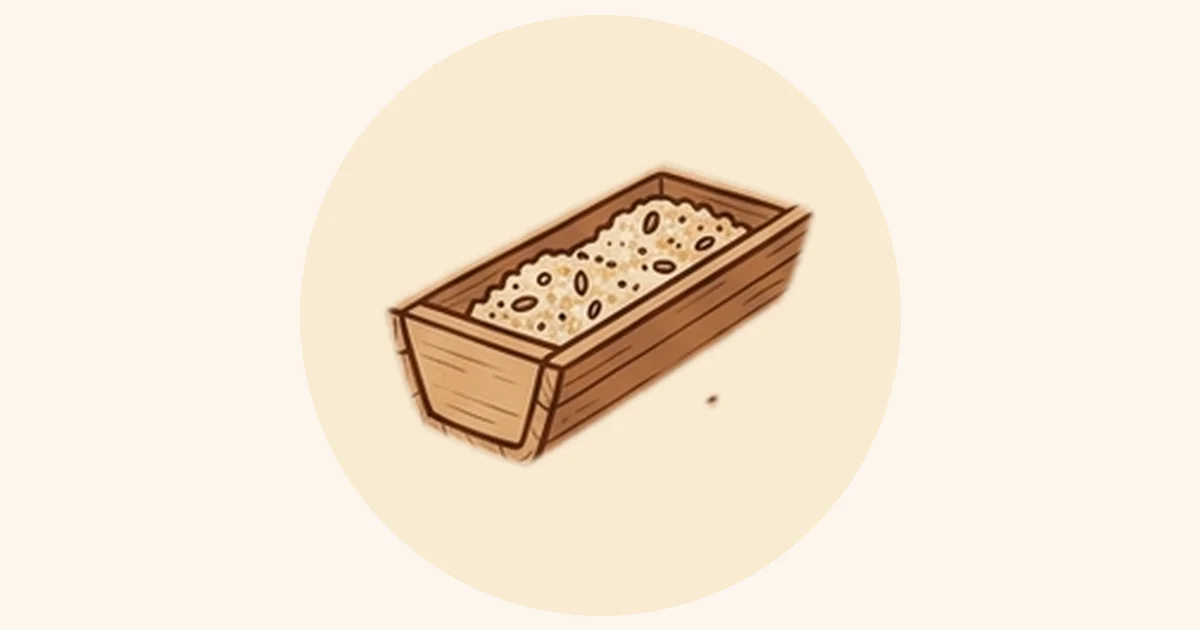
A complete layer feed has everything hens need: protein (about 16 to 18%), calcium for shells, vitamins and minerals. It matters even more in winter, when hens can't forage.
Grain alone isn't enough. It's low in protein and calcium, and hens fed only grain lay less and regrow feathers more slowly.
How much feed a chicken eats
- A medium-sized laying hen eats roughly 110 to 130 g (about 4 to 4.5 oz) of feed a day.
- Heavy breeds eat more, bantams less.
- Hens eat more in freezing weather, because they need energy to stay warm.
So it's best to keep feed in the feeder all day. Hens regulate how much they eat, and they won't overeat in winter.
A handful of grain in the evening
An hour or two before dusk, you can give your hens a handful of grain, such as corn or wheat. Digesting it keeps them warm overnight. Just don't overdo it: grain and other treats shouldn't be more than about 10% of the diet, or your hens will run short of protein.
Grit and calcium
- Grit (small stones) helps hens grind up grain in their gizzard. In winter, when they can't get to the soil, put it out in a separate dish.
- Crushed oyster shell provides calcium for strong eggshells. Offer it separately so hens can take what they need.
Greens instead of grass
In winter, hens miss their greens. Try:
- a hanging cabbage or kale, which they have to peck at, and which keeps them busy too,
- sprouted grain, such as wheat or barley,
- a little carrot or pumpkin.
In the UK and the EU, feeding kitchen scraps to poultry is illegal, even for backyard hens. So choose fresh vegetables bought or grown for the hens.
Things to watch out for
- Never feed mouldy feed. Moulds produce toxins (mycotoxins) that seriously harm chickens. Store feed dry, in closed containers.
- Water matters as much as feed. Without water, hens eat less. We explain how to stop it freezing in How to Keep Chicken Water from Freezing.
- Moulting hens need more protein. Read more in Why Chickens Stop Laying in Winter.
In Egg Diary, the pantry keeps track of your feed stock, and expenses show you what feeding your flock really costs.
Frequently asked questions
How much feed does a chicken eat per day?
A medium-sized laying hen eats roughly 110 to 130 g (about 4 to 4.5 oz) a day. Heavy breeds eat more, bantams less, and all hens eat a little more in freezing weather.
Should I feed my chickens more in winter?
Yes, they need more energy in the cold. The easiest way is to keep feed available all day, and hens regulate how much they eat. You can add a handful of grain in the evening.
Can chickens live on grain alone in winter?
No. Grain is low in protein and calcium. The base should be a complete layer feed, with grain only as an extra, up to about 10% of the diet.
What can I give chickens instead of grass in winter?
A hanging cabbage or kale, sprouted grain, or a little carrot or pumpkin. Greens also keep them busy.