 Egg Diary
Why Chickens Stop Laying in Winter (and What You Can Do)
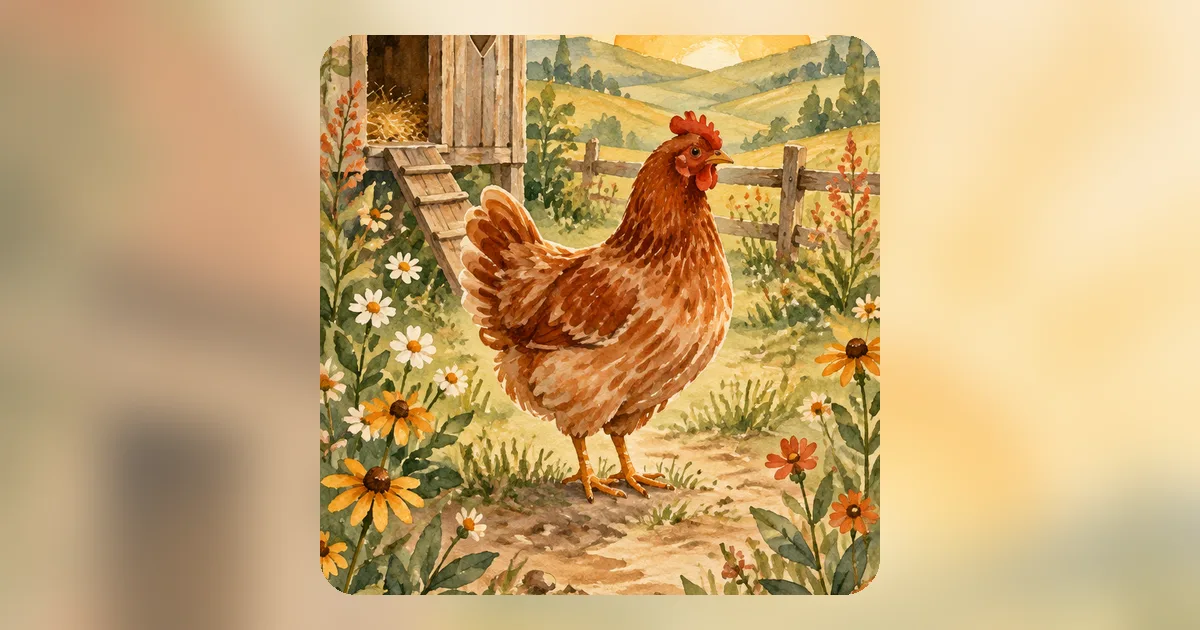
Almost every backyard keeper goes through it. In August you were collecting eggs every day, and now the nest box is empty. The hens look healthy, just a little scruffy. In most cases there is nothing to worry about. Laying always drops in winter, and there are a few clear reasons why.
1. Short days: the main reason
Egg laying is controlled by day length. Light reaching the eye, and even passing through the skull, prompts the brain to release the hormones that start egg production. For steady laying, hens need roughly 14 to 16 hours of light a day. Once days fall below about 12 hours, laying slows down, and many hens stop completely.
Around the winter solstice, London gets less than 8 hours of daylight and much of the northern US only around 9. For a hen, that's a clear signal: this is no time to raise chicks, so save your energy.
2. Moulting: a new set of feathers
Usually in autumn, hens drop their old feathers and grow new ones. This is called moulting. Feathers are made mostly of protein, so during the moult the body diverts nutrients from egg production into new plumage. A moult usually lasts 8 to 12 weeks, and some hens take longer. The first full moult typically happens at around 15 to 18 months of age.
While your hens are moulting:
- switch to a feed with more protein (around 18 to 20%), or add protein treats such as dried mealworms,
- avoid handling them more than necessary, because new pin feathers are sensitive,
- don't add artificial light, which would make recovery harder.
3. The age of your hens
A hen lays the most eggs in her first one to two years of laying. After that, production drops gradually every year. Older hens therefore stop earlier in autumn and start later in spring than young ones. Pullets hatched in spring often begin laying in autumn and keep going through winter with only a small dip.
4. Cold and frozen water
Chickens cope with cold surprisingly well, because their feathers are excellent insulation. The bigger problem is water. An egg is roughly three-quarters water, so when the waterer freezes, hens drink less and lay less. In freezing weather, check the water several times a day or use a heated waterer.
The coop should be dry, draught-free and well ventilated. Damp does more harm than cold. Most flocks don't need a heated coop, and coop heaters are a common cause of fires.
5. Winter feeding
In winter, hens burn more energy just staying warm. Keep a complete layer feed as the base of their diet. In the evening you can add a handful of grain, such as corn or wheat. Digesting it helps them stay warm overnight. Treats should stay under about 10% of the diet, or your hens will miss out on the calcium and protein they need for eggs. In the UK and the EU, it's actually illegal to feed kitchen scraps to poultry, even to pet hens.
Should I use artificial light?
Supplemental light can keep hens laying through winter, but it's a personal choice. Many keepers prefer to give their flock a natural winter rest. If you do add light:
- add it in the morning, so the hens still get a natural dusk and can settle on the roost,
- keep total light at no more than about 14 to 16 hours,
- lengthen the day gradually, by 15 to 30 minutes a week, using a timer,
- an ordinary low-energy bulb is enough, because it doesn't need to be bright,
- don't light hens that are moulting.
Other possible causes
If laying drops suddenly, especially outside autumn, look for something else. It could be stress (moving, a predator, new birds in the flock), broodiness, parasites such as red mites, or illness. A simple record helps here. When you log your egg count each day, you can see straight away whether it's a gradual seasonal drop or a sudden change that needs attention.
With Egg Diary, you can see your flock's laying on a weekly and monthly chart. You can also set reminders, for example for deworming or cleaning the coop.
Frequently asked questions
How many hours of light do chickens need to lay eggs?
For steady laying, hens need about 14 to 16 hours of light a day. Once days fall below roughly 12 hours, laying slows down noticeably or stops.
When will my chickens start laying again after winter?
As soon as the days get noticeably longer. In the UK and the northern US, laying usually picks up from February, and young hens sometimes start in late January.
How long does moulting last in chickens?
Usually 8 to 12 weeks, and some hens take longer. Most hens don't lay while moulting, and they need a feed with more protein.
Do chickens need a heated coop in winter?
Usually not. Healthy chickens handle winter well thanks to their feathers. A dry, draught-free and well-ventilated coop and unfrozen water matter much more. Coop heaters are also a fire risk.
Is artificial light bad for chickens?
Sensible supplemental lighting (in the morning, increased gradually, and no more than 14 to 16 hours of total light a day) generally doesn't harm hens. It does take away their natural winter rest, which is why many keepers skip it. Don't use it on hens that are moulting.