 Egg Diary
Frostbite on Chicken Combs: Prevention and Care
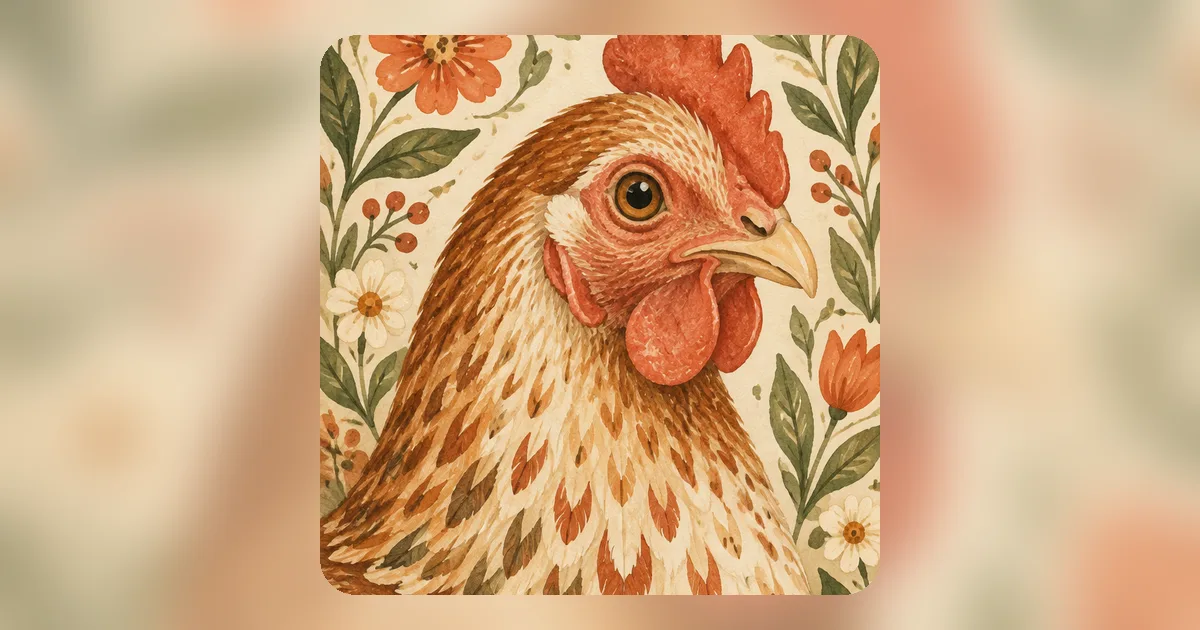
You go out to the coop in the morning and the rooster's comb tips are white or grey. A few days later they've turned black. That's frostbite. It's more common in winter than most people think, and you can prevent most of it.
Which chickens are at risk
- roosters and hens with large single combs, such as Leghorns,
- birds with long wattles that get wet when they drink,
- hens standing in wet snow. Toes and feet can get frostbite too.
Breeds with small combs, such as rose, pea or cushion combs, are at much lower risk.
Why frostbite happens
Moisture plays the biggest part. Damp air in the coop condenses on combs and wattles at night, and they freeze more easily. That's why frostbite is more common in a sealed, damp coop than in a cold but dry one. Wind and wet wattles after drinking add to the risk.
How to recognise frostbite
- Pale, white or grey patches, usually on the comb tips and wattles.
- Later swelling, sometimes small blisters.
- After a few days to weeks, black, dry tips. This is dead tissue that will eventually fall off on its own.
What to do if a hen gets frostbite
- Don't rub or massage the area. It damages the tissue further.
- Don't warm it with hot water, a hairdryer or a lamp. If you want, you can warm it gently with lukewarm water, but only if the bird won't freeze again. Refreezing is worse than one bout of frostbite.
- Don't cut off the black tips. They protect the tissue underneath and will drop off by themselves.
- Keep the hen in a dry, draught-free place, and check that she's eating and drinking normally.
- If the area becomes infected (smell, pus, a lot of swelling) or the hen is listless, talk to a vet. Don't give her painkillers without a vet's advice.
How to prevent frostbite
- A dry coop and good ventilation matter most. Vents belong high above the roosts, see Coop Ventilation in Winter.
- No draughts at the roost.
- Wide, flat roosts, so hens can cover their toes with feathers.
- Waterers that don't soak the wattles. A smaller opening or a raised waterer helps.
- Petroleum jelly on the comb is often recommended. It may protect a little against wind, but it won't replace a dry coop. Don't put it on tissue that's already damaged.
- Don't heat the coop. Warm air increases condensation, and with it the risk of frostbite. We explain why in Should You Heat a Chicken Coop?
If frostbite is a regular winter problem for you, consider breeds with smaller combs in future.
In Egg Diary, you can add a note to each bird, for example when she got frostbite and how she's healing.
Frequently asked questions
How do I know if my chicken's comb is frostbitten?
The area first turns pale, white or grey, then swells, and after a few days turns black. The comb tips and wattles are affected most often.
Should I cut off the black tips of the comb?
No. The black, dead tissue protects the healthy tissue underneath and will fall off by itself. If the area gets infected, talk to a vet.
Does petroleum jelly prevent frostbite?
It may give a little protection against wind, but the effect is limited. A dry, well-ventilated coop without draughts matters much more.
Which chicken breeds resist frostbite?
Breeds with small rose, pea or cushion combs. Breeds and roosters with large single combs and long wattles are most at risk.